
Boston’s Top Basement Finishing Trends
Why Basement Finishing? Unfinished Vs. Finished Basements – The Differences In A Nutshell
Comfort, Efficiency, And Fantastic Looks
It’s no secret that basement finishing in Boston, MA is a popular home renovation trend. It seems like everyone has a finished basement or is in the process of completing one.
You’re bound to consider finishing your own basement.
Many of us like the idea of having a finished basement. But do you understand what basement finishing means for your home? Before you jump in head first, make sure you understand all the differences between unfinished and finished basements.
The Benefits Of Basement Finishing Are Clear
Unfinished basements lack walls, ceilings, flooring, insulation, and other elements typically found in a home’s living areas. The bare bones of the house are exposed – the foundation, wood framing, plumbing pipes, and electrical work can all be seen.
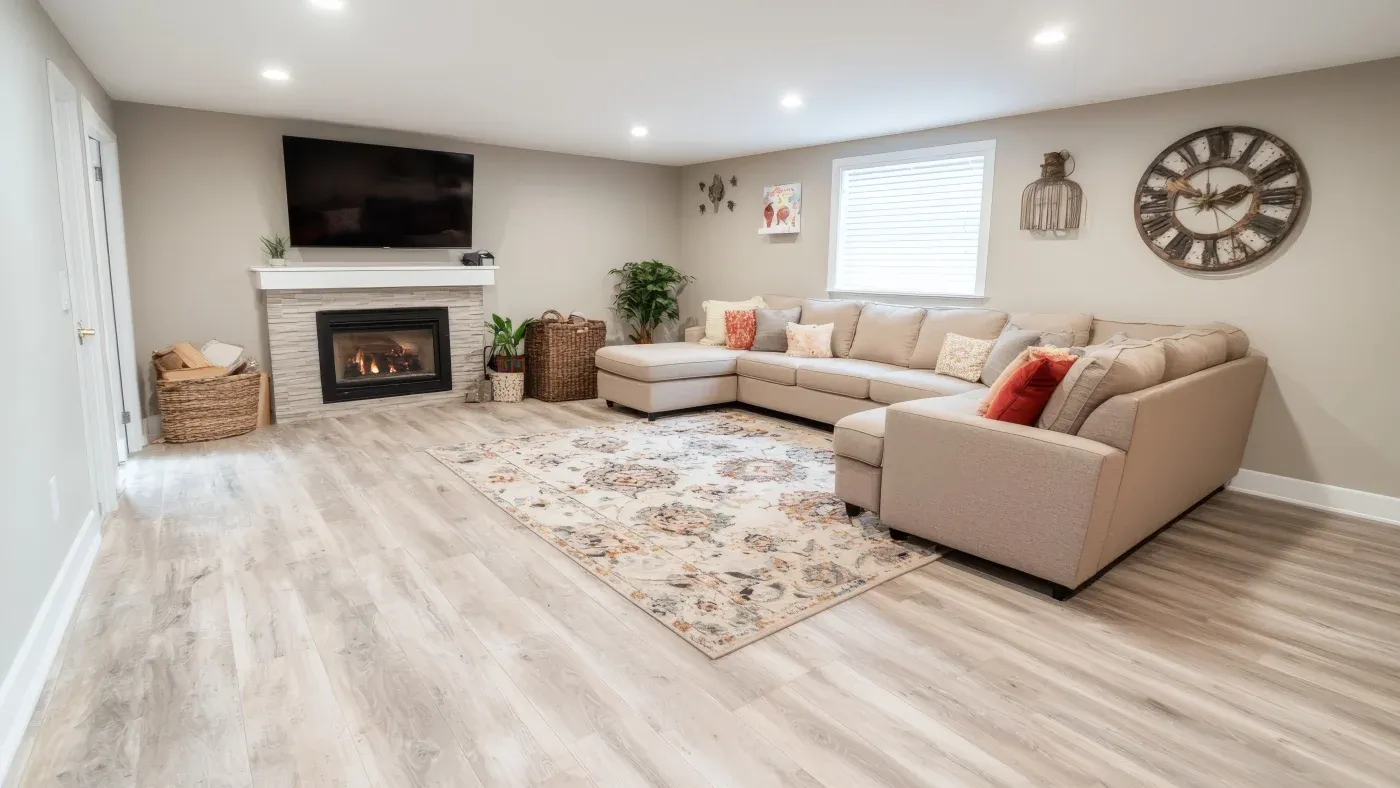
Finished basements look similar to the home’s living areas. They have walls, ceilings, and flooring that hide it all, including:
- Duct Work
- Bare Foundation
- Wooden Framing
- Ugly Plumbing Pipes
- Electrical Boxes and Wiring
But it doesn’t have to stop there – some finished basements have multiple rooms like bedrooms, bathrooms, and kitchens.
Energy Efficiency
Unfinished basements are less energy efficient than finished basements because they lack insulation. This means there is no thermal barrier between the inside environment and the outside elements.
Cold air enters, and warm air escapes more easily, which could negatively impact your energy bills.
Finished basements limit these problems, allowing you to save on your energy usage throughout the year. Insulation layers behind the walls can keep cold, drafty air out of your basement while keeping the heat in. The high-quality panels of our Owens-Corning Basement Finishing System provide the best protection against wasted energy.
Basement Space Usage
In the Boston area, unfinished basement space is most often used for storage. Storing lesser-used items in an unfinished basement frees up storage space in closets and other areas of the home.
The open layout of an unfinished basement is suitable for large shelving units that might not fit elsewhere. However, open layouts can often lead to piles of clutter.
Finished basement spaces have countless uses and extensive storage solutions.
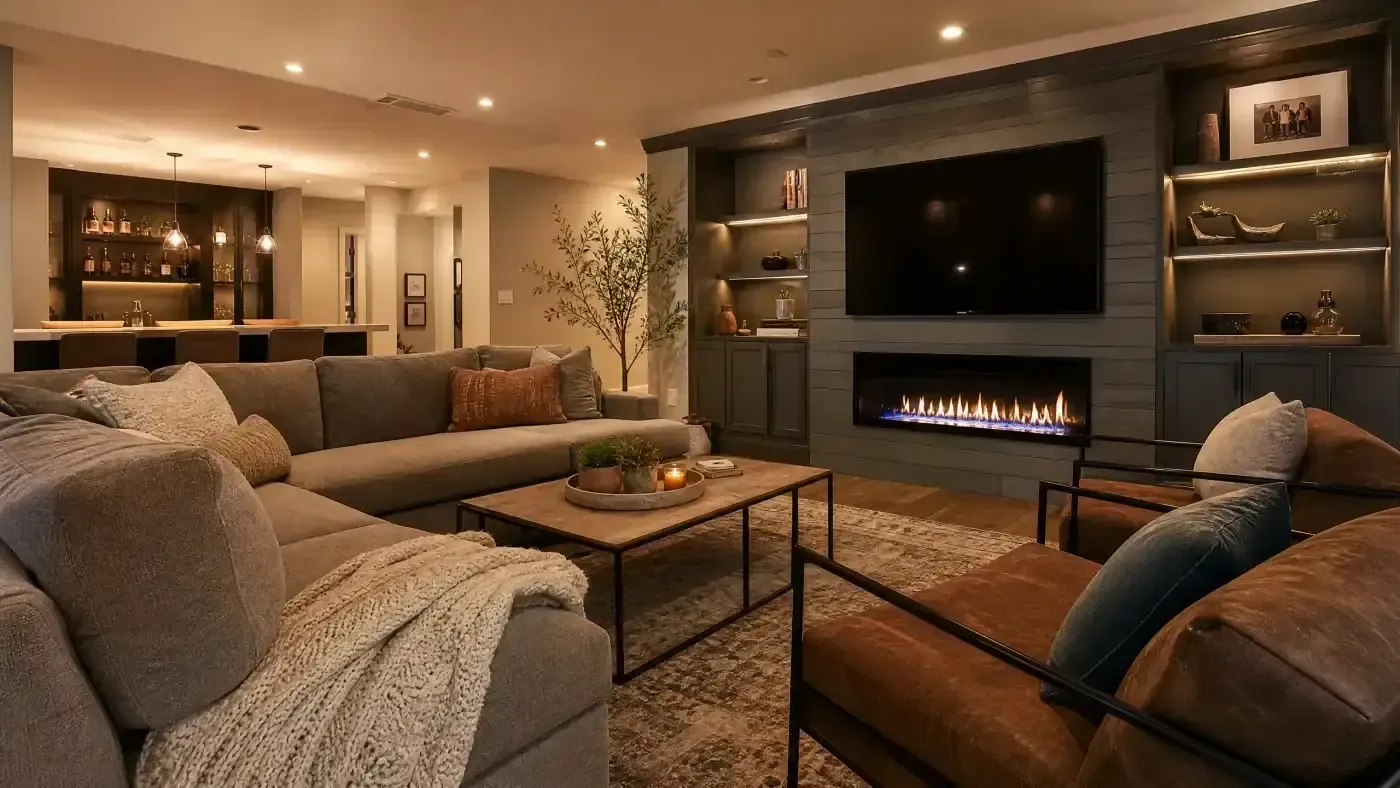
Finished basements can be used for recreation, relaxation, exercise, and general living. You can add bedrooms, a bathroom, an office, a gym, or a kitchen. Your basement design is limited only by your creativity and basement layout.
Basement Wall Appearance
Unfinished basement walls are made of concrete or cinder block and wood framing. The plumbing and electrical work is visible. Some homeowners choose to paint the exposed foundations and studs with warm colors to make their spaces more homey.
Others embrace the rugged look by incorporating black paint, metal, and wood elements. However, painting concrete and wood framing is tricky and time-consuming.
Finished basement walls are more pleasing to the eye and more versatile.
Walls hide the plumbing and electrical work and can be easily painted to make the space appear lighter and brighter or warm and inviting. Design elements like wallpaper, artwork, photographs, and shelving can also be incorporated.
Basement wall panels, sometimes called a basement finishing system, are a unique alternative to drywall. Wall panels cover unsightly pipes and wires. The chief advantage is they can be easily removed and reinstalled if access to the plumbing and electricity is required.
Basement Ceiling Appearance
Unfinished basement ceilings reveal subflooring, floor joists, ductwork, plumbing, and electrical work. Easy access to these components is an advantage, but some may find them unsightly.
Finished basement ceilings are more attractive.
They hide the subflooring, floor joists, ductwork, plumbing, and electrical work. Ceilings dampen the noise between floors and increase climate control in the basement.
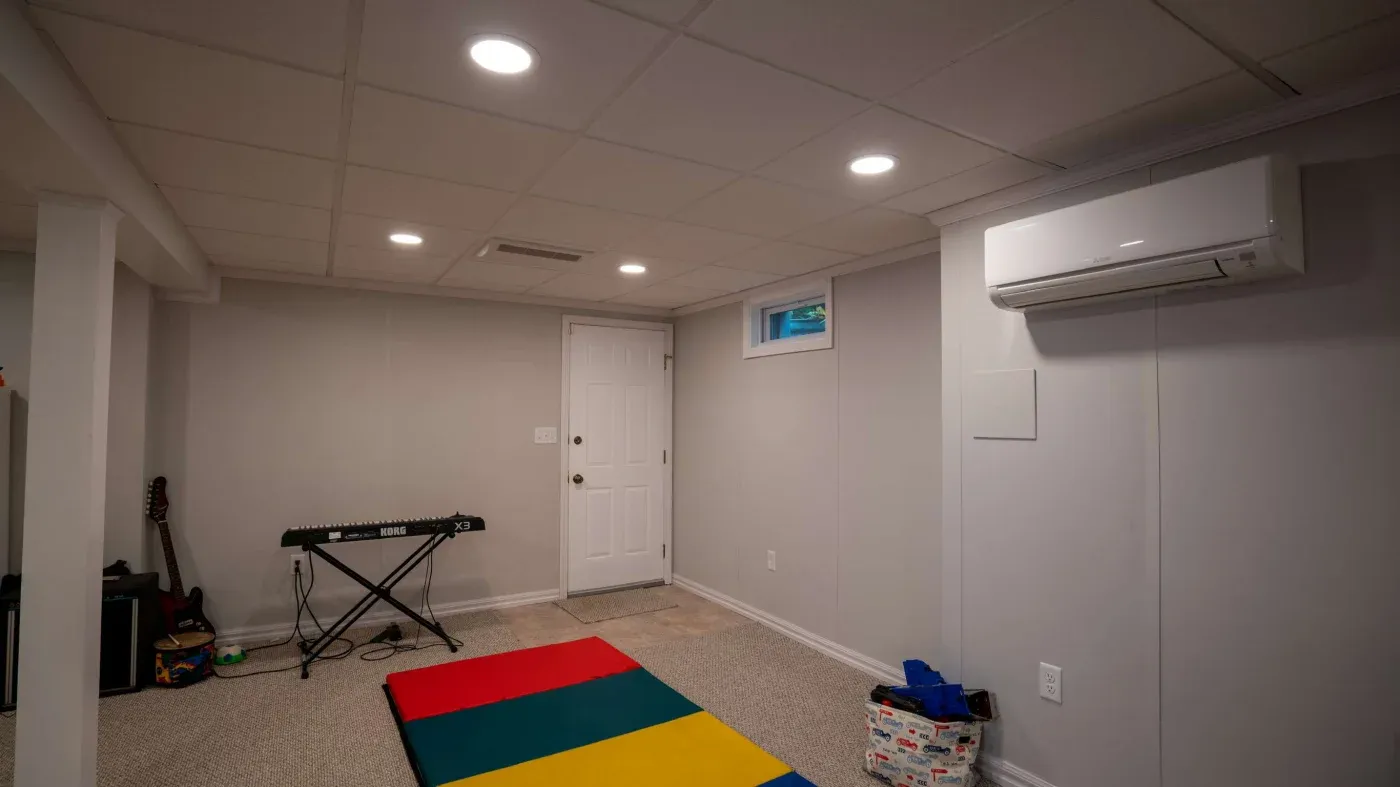
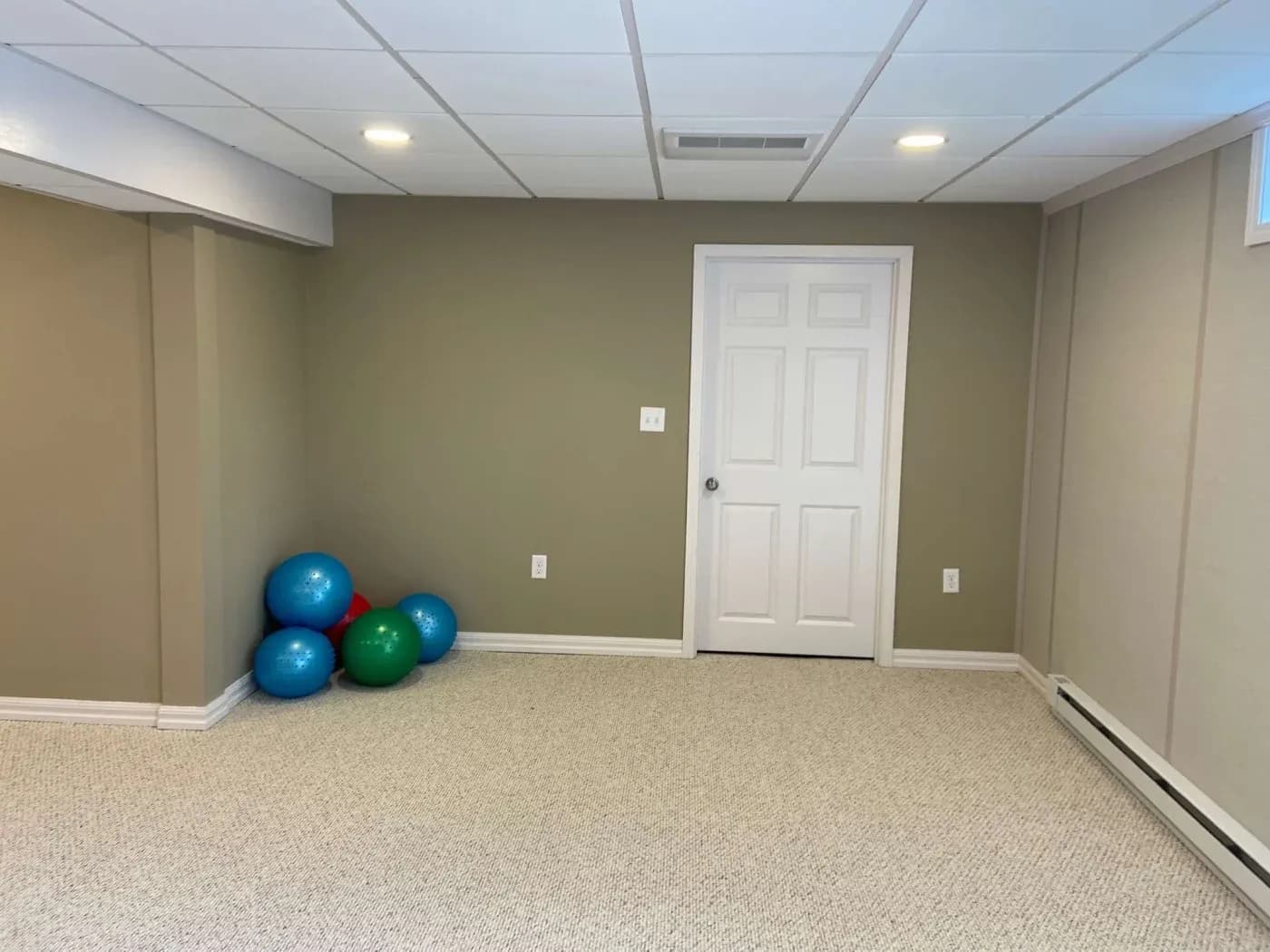
Some homeowners opt for traditional drywall ceilings. Others install drop ceilings. Drop ceiling tiles allow access to the pipes and ducts beneath them.
Unfortunately, drop ceilings also reduce the floor-to-ceiling space. If your unfinished basement ceiling is already low, you might prefer a drywall ceiling.
Basement Finishing Increases Resale Value
An unfinished basement doesn’t necessarily reduce your home’s value. In general, any basement is a plus. Buyers that don’t need the extra living space will be happy to have a basement for storage.
Some will see the extra space as a blank canvas that can be turned into their dream basement.
However, other buyers will see an unfinished basement as a future project they’ll have to tackle – and your sale may disappear.
A finished basement is a selling point. Few buyers will walk away because the basement is finished. Most buyers will be impressed by the extra living space. A beautifully finished and functional basement might sway them to make an offer.
Limiting Basement Mold and Mildew
Unfinished basements are known for being dark and damp. These are two qualities that mold and mildew love. Mold and mildew emit an unpleasant odor and spread over time.
They can ruin items stored in your basement. More importantly, mold can be hazardous to your health.
Unfortunately, many finished basements are also susceptible to mold and mildew. Basements are darker, damper, and cooler than rooms above ground.
Installing basement wall panels that resist mold and mildew in place of drywall is an excellent way to combat these issues. Owens Corning Basement Finishing System come with lifetime limited warranties, so you know your investment will be protected and that the folks at Lux Renovations have full faith in their work.
Understanding the differences between finished and unfinished basements is the first step on your basement refinishing journey. Finding reputable basement remodelers is the second step.
If you want to make better use of your Boston basement and want it done by true professionals, contact us at Owen-Corning Basement Finishing Systems for a free consultation.
Ask About $2,500 Off Your Project
Financing Available
Featured Customer Review
Lux Renovations was highly professional and did a phenomenal job with our basement. We are thrilled with the finished project.
Contact Us

Mon: 8am - 4pm
Tues-Fri: 8am - 7pm
Sat: 8am - 5pm
Sun: Closed